Posted on Updated for the 2026 wet season
Why Chimney Waterproofing Matters for Portland Homes
8 min read
Brick and mortar aren't waterproof on their own. Here's why a proper, breathable chimney waterproofing service matters so much in the Pacific Northwest.
Portland homeowners know rain is part of life. From steady fall showers to wet winter storms, moisture finds its way into just about everything outside your home—including your chimney.
Your chimney may be built from brick, mortar, stone, or concrete, but that does not mean it is waterproof. Over time, water can soak into masonry, wear down mortar joints, damage flashing, rust metal parts, and lead to bigger repair needs. That is why chimney waterproofing is one of the most important maintenance steps for homes in Portland, Gresham, Troutdale, Lake Oswego, Vancouver, Camas, and surrounding areas.
If your chimney has not been inspected in a while, or if you have noticed staining, cracking, or musty smells near your fireplace, it may be time to take a closer look.
Why Water Is So Hard on Chimneys
Your chimney sits above the roofline, which means it takes the full force of Oregon and Southwest Washington weather. Rain, wind, moss, falling leaves, and temperature changes all affect the materials that make up your chimney system.
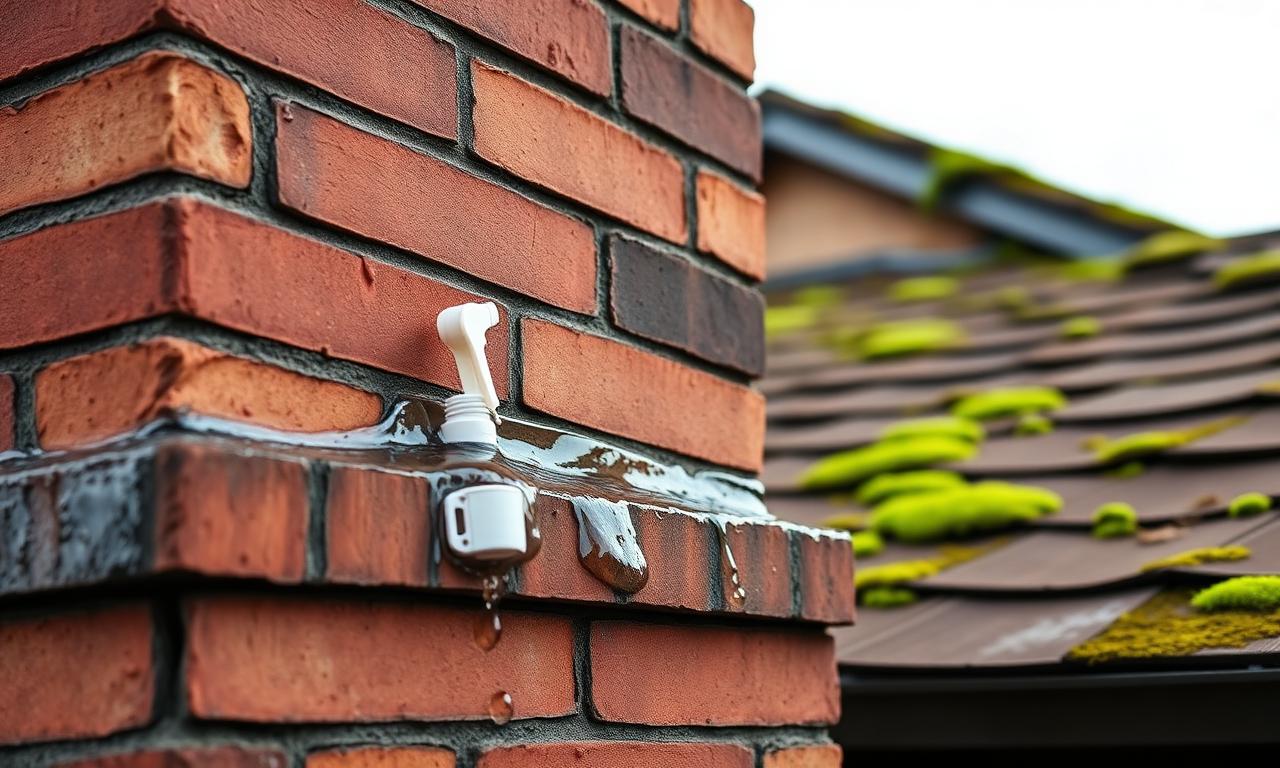
Brick and mortar are porous. When water gets absorbed, it can slowly break down the structure. In colder weather, trapped moisture may expand and contract, which can make cracks worse. Even small gaps can allow more water in, creating a cycle that gets more expensive the longer it is ignored.
Water can also damage parts of the chimney you cannot easily see from the ground, including the crown, cap, flashing, damper, and flue system.
Common Signs of Chimney Water Damage
Chimney water problems are not always obvious right away. Some homeowners do not notice an issue until they see staining inside the home or smell moisture near the fireplace.
White Staining on the Outside of the Chimney
White staining, often called efflorescence, can appear when moisture moves through masonry and leaves mineral deposits behind. While the stain itself can sometimes be cleaned, it usually means water is getting into the chimney.
Cracked or Missing Mortar
Mortar joints help hold the chimney together. When they crack, crumble, or pull away, water can enter more easily. Damaged mortar can also lead to loose bricks and structural concerns.
Rust on the Damper or Fireplace Parts
Rust is a sign that moisture is reaching metal components. If your damper is difficult to open or close, or you see rust around the firebox, do not ignore it.
Water Stains Near the Fireplace
Brown staining on walls, ceilings, or near the fireplace can point to a chimney leak. The issue could be flashing, masonry, the chimney crown, or another part of the system.
Musty Smells
A damp smell from your fireplace may mean moisture is sitting inside the chimney. This can be especially noticeable during humid or rainy weather.
What Chimney Waterproofing Does
Chimney waterproofing helps protect masonry by creating a water-resistant barrier while still allowing the chimney to breathe. That last part matters. Chimneys need to release trapped vapor. A proper chimney waterproofing product is different from paint or a general sealant because it is designed for masonry.
When done correctly, waterproofing helps reduce water absorption and slows down moisture-related damage. It can be especially helpful for older chimneys, chimneys exposed to heavy rain, or homes in areas like Portland, Sandy, Corbett, Welches, Government Camp, and other communities that see wet seasonal weather.
Waterproofing Is Not a Fix for Existing Damage
Waterproofing is a protective service, not a replacement for chimney repair. If your chimney already has cracked mortar, loose bricks, a damaged crown, or flashing problems, those issues should be addressed first.
Applying waterproofing over damaged masonry can trap problems instead of solving them. That is why an inspection is important before any waterproofing work begins.
A chimney professional can look for:
- Cracked or deteriorating mortar
- Damaged chimney crowns
- Missing or loose chimney caps
- Flashing issues
- Signs of leaks
- Brick damage
- Flue concerns
Once the chimney is in proper condition, waterproofing can help protect the repair work and extend the life of the structure.
Why Portland-Area Homes Benefit from Preventive Chimney Care
In drier climates, homeowners may not think about chimney moisture as often. But in the Portland area, rain and damp conditions are a regular part of home maintenance.
Neighborhoods with mature trees may also see more debris, moss, and leaf buildup around the roof and chimney. Homes in higher-rain areas near Sandy, Welches, Corbett, and Government Camp may face even more weather exposure.
That does not mean every chimney needs the same solution. Some may need a simple cleaning and inspection. Others may need masonry repair, a chimney cap, waterproofing, or fireplace restoration. The key is catching small issues before they become bigger projects.
Chimney Caps and Waterproofing Work Together
A chimney cap helps keep rain, leaves, and animals from entering the flue opening. Waterproofing helps protect the masonry itself. Both can play an important role in preventing water-related problems.
If your chimney does not have a cap, or if the cap is damaged, rain can enter directly. That can lead to odors, rust, water in the firebox, or debris inside the chimney. For many homeowners, a cap and waterproofing are both smart options, especially after repairs have been completed.
When Should You Schedule Chimney Waterproofing?
The best time to ask about waterproofing is after a chimney inspection or repair. If your chimney is already showing signs of moisture damage, schedule service sooner rather than later.
You should also consider an inspection if:
- You recently bought a home with a fireplace
- You have not used your fireplace in a while
- You see stains, cracks, or missing mortar
- Your chimney has no cap
- You smell moisture or mustiness
- You are preparing for fall and winter fireplace use
Annual chimney maintenance can help keep your fireplace or wood stove safer, cleaner, and more reliable.
Protect Your Chimney Before the Rain Does More Damage
Your chimney works hard through Portland's wet months. Waterproofing can help protect your masonry, reduce moisture problems, and prevent more costly chimney repairs down the road.
If you are in Portland, Wood Village, Gresham, Troutdale, Lake Oswego, Vancouver, Camas, Sandy, or the surrounding areas, Burning Bush Chimney can inspect your chimney, explain what is needed, and provide an honest estimate for repair, caps, waterproofing, or cleaning.