Posted on Updated for the 2026 wet season
Do You Need a Chimney Cap? Here's What Homeowners Should Know
7 min read
A small upgrade with big payoff. Here's how a properly fitted chimney cap protects your fireplace from rain, animals and debris year-round.
A chimney cap may not be the first thing you notice when you look at your home, but it plays an important role in protecting your fireplace and chimney system.
For homeowners in Portland, Wood Village, Gresham, Troutdale, Lake Oswego, Vancouver, Camas, and nearby communities, a properly installed chimney cap can help prevent rain, animals, leaves, and debris from getting inside the chimney. Without one, your chimney is more exposed to weather and potential damage.
If you are not sure whether your chimney has a cap—or whether the one you have is still doing its job—this guide will help you know what to look for.
What Is a Chimney Cap?
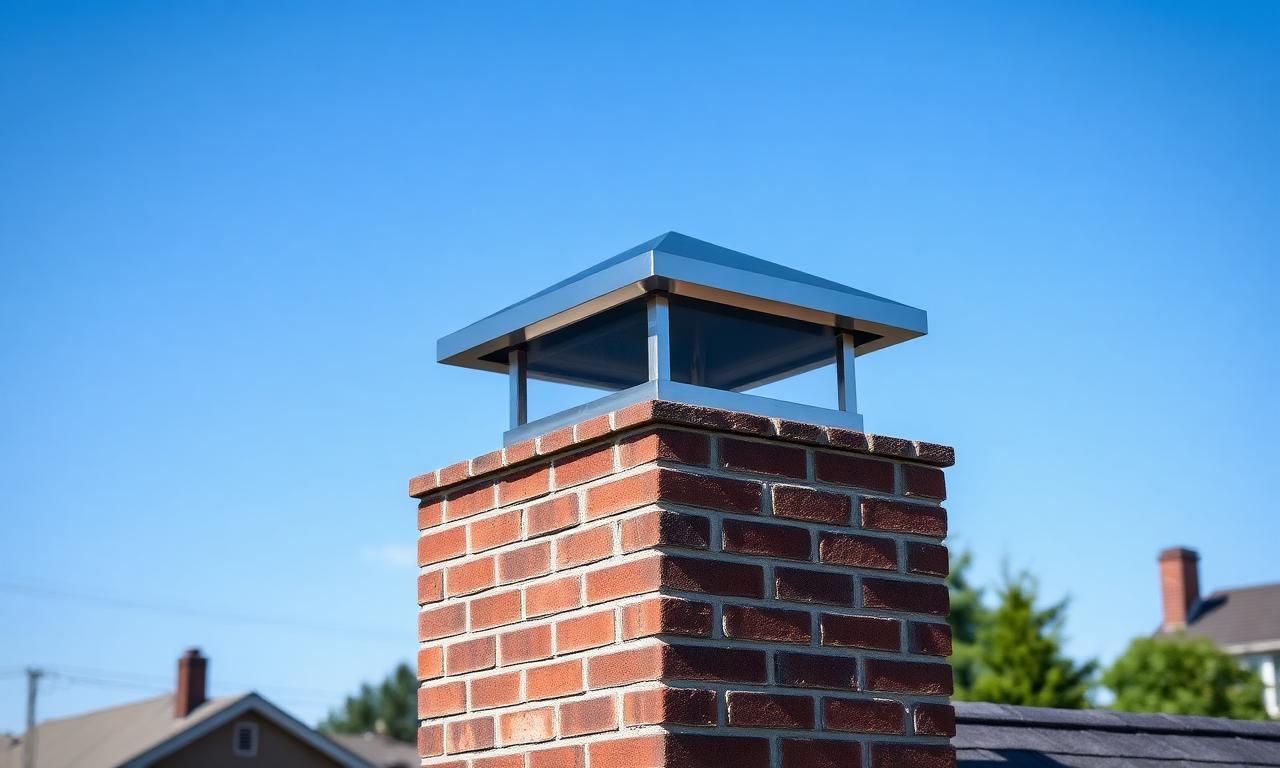
A chimney cap is a protective cover installed at the top of the chimney. It usually includes a metal top and mesh sides. The top helps block rain from entering the flue, while the mesh can help keep out animals and debris.
Chimney caps come in different sizes and styles depending on the type of chimney, number of flues, and structure of the chimney crown. Some homes need a single-flue cap, while others may need a larger custom cap.
The right fit matters. A cap that is loose, rusted, missing, or poorly installed may not protect your chimney the way it should.
Why Chimney Caps Matter in the Portland Area
Portland-area weather can be hard on chimneys. Rain is frequent, wind can push moisture sideways, and falling leaves or branches can collect around rooflines. In wooded areas and communities near Sandy, Corbett, Welches, and Government Camp, debris and animal activity can also be more common.
A chimney cap helps reduce several common problems before they start.
Helps Keep Rain Out
Without a cap, rain can fall directly into the chimney opening. That moisture can lead to rusted dampers, unpleasant odors, masonry damage, and water in or near the firebox. Even if your chimney looks fine from the outside, ongoing moisture exposure can slowly create problems inside the system.
Helps Keep Animals Out
Birds, squirrels, raccoons, and other animals may see an open chimney as a sheltered place to nest. Once animals get inside, they can create blockages, odors, noises, and safety concerns. A chimney cap with proper mesh helps reduce the chance of animals entering the flue.
Helps Block Leaves and Debris
Leaves, twigs, pine needles, and other debris can fall into an uncovered chimney. This buildup can restrict airflow and may create a fire hazard if it collects inside the system. A cap helps keep larger debris out while still allowing smoke and gases to vent properly.
Helps Reduce Downdrafts
Some chimney caps can help reduce wind-related downdrafts. If you have ever noticed smoke or cold air pushing back into your fireplace, your chimney may need to be evaluated. A cap may be part of the solution, depending on the cause.
Signs You May Need a Chimney Cap
You do not need to climb onto your roof to check your chimney. In fact, it is safer to let a professional inspect it. But there are signs homeowners can watch for from inside and around the home.
You may need chimney cap installation or replacement if:
- You hear animals or birds in the chimney
- You notice leaves, twigs, or debris in the firebox
- Rain appears to be entering the chimney
- Your damper is rusty or difficult to move
- Your fireplace smells musty
- You see staining near the fireplace
- Your current cap looks rusted, bent, or loose
- You are not sure whether your chimney has a cap at all
If any of these sound familiar, schedule a chimney inspection before the issue gets worse.
Chimney Cap Repair vs. Replacement
Sometimes a chimney cap can be adjusted or repaired. Other times, replacement is the better choice.
A professional may recommend replacement if the cap is badly rusted, missing pieces, damaged by weather, or not the right size for your chimney. A poor-fitting cap can allow water or animals to get around it, which defeats the purpose.
If the chimney crown or masonry around the top of the chimney is also damaged, those repairs may need to happen before a new cap is installed.
What Happens During Chimney Cap Installation?
Chimney cap installation usually starts with an inspection. The technician checks the top of the chimney, the flue opening, the crown, and the existing cap if there is one. From there, they can determine what type of cap is needed and whether other issues should be addressed first.
The process may include:
Measuring the Chimney
Correct measurements help make sure the cap fits securely and protects the right area.
Checking the Chimney Crown
The crown helps shed water away from the flue opening. If it is cracked or damaged, water may still get into the chimney even with a cap.
Installing the Right Cap
The cap should be securely installed and suited to the chimney type. Proper installation helps it stand up to wind, rain, and seasonal weather.
Reviewing Other Maintenance Needs
During the visit, the technician may also identify cleaning, repair, waterproofing, or restoration needs.
A Chimney Cap Is Small, But the Protection Is Big
Compared to major chimney repair, a chimney cap is a simple upgrade that can help protect your home from avoidable problems. It does not replace regular cleaning or inspection, but it is an important part of chimney maintenance.
For homeowners who use a fireplace or wood stove, the chimney system needs clear airflow and protection from outside elements. A missing or damaged cap can make that harder.
When Should You Schedule Chimney Service?
A good time to schedule chimney service is before the rainy season or before you start using your fireplace regularly. That way, any problems can be found and addressed before you depend on your system for warmth.
You should also schedule service after major windstorms, if you hear animal activity, or if you notice signs of moisture.
Homes in Portland, Beaverton, Tigard, Tualatin, Oregon City, Canby, Fairview, Damascus, and surrounding communities can all benefit from routine chimney maintenance, especially when the weather starts to turn.
Keep Rain, Animals, and Debris Out of Your Chimney
A chimney cap helps protect your fireplace system from some of the most common causes of chimney trouble. It keeps rain from entering directly, helps block animals and debris, and supports better long-term chimney care.
If your chimney cap is missing, damaged, rusted, or you are not sure what condition it is in, Burning Bush Chimney can help. We provide chimney cap installation, chimney repair, cleaning, waterproofing, and fireplace services across Portland, Oregon, Southwest Washington, and surrounding areas.
Schedule chimney service today and make sure your chimney is protected from the top down.