Posted on Updated for the 2026 wet season
Chimney Leaks in the Pacific Northwest: What Causes Them (And How to Stop the Damage)
6 min read
Musty smell near the fireplace? Stains on the ceiling? Here are the 5 most common causes of chimney leaks in Portland — and what actually fixes them.
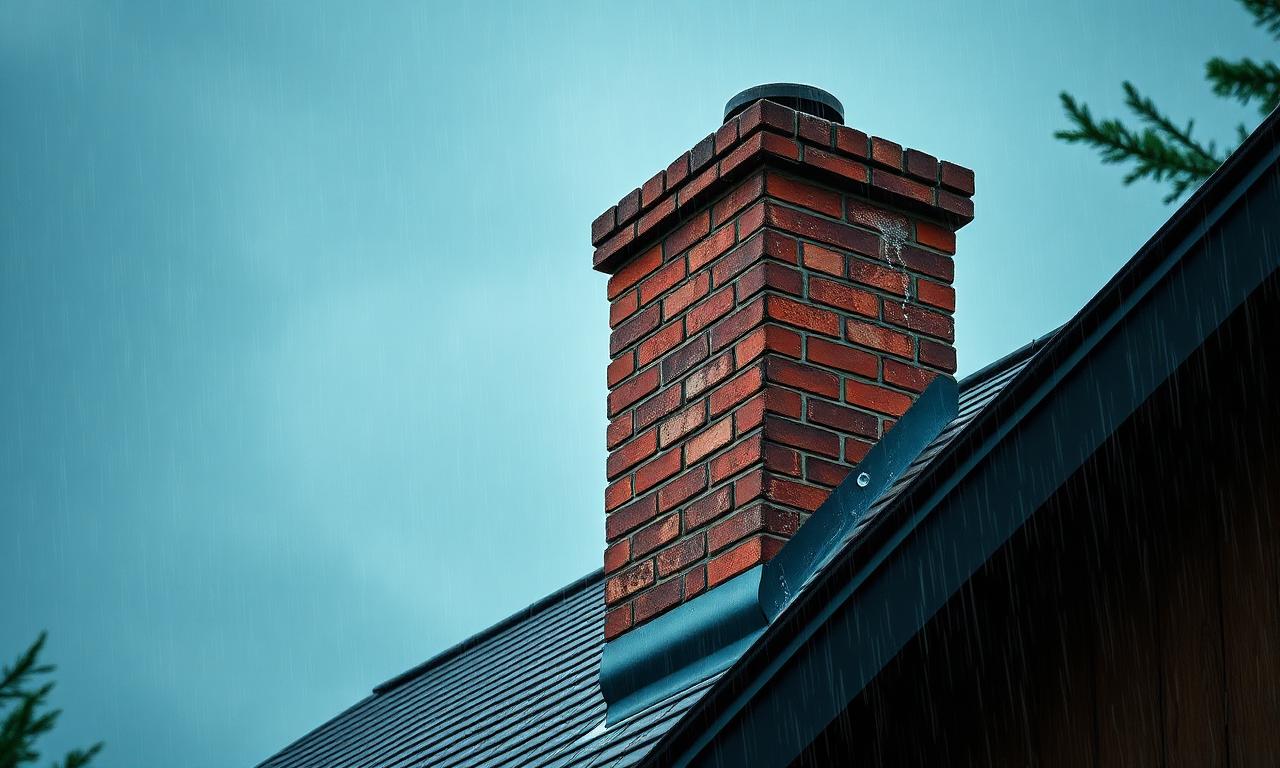
Chimney leaks aren't just annoying—they're expensive. In the Portland and Vancouver area, months of rain can turn a small leak into crumbling brick, stained ceilings, rusty dampers, and moldy fireboxes.
If you've noticed a musty smell near your fireplace, dripping sounds, or water stains around the chimney, it's time to take it seriously. Here's what typically causes chimney leaks—and what actually fixes them.
Why Chimney Leaks Are So Common Here
Between steady rainfall, wind-driven storms, and freeze/thaw cycles in colder months, chimneys take a beating. Masonry is porous by nature, and water will always find the fastest route in—especially if your chimney is missing key protective components.
5 Common Causes of Chimney Leaks
1) Missing or Damaged Chimney Cap
A chimney cap is your first line of defense. Without one (or if it's bent, rusted, or poorly fitted), rain can fall straight into the flue and fireplace system.
What you might notice:
- Water in the firebox
- Rusty damper or firebox components
- A smoky smell even when you haven't had a fire
2) Worn-Out Flashing
Flashing is the metal seal where your chimney meets the roofline. If it's cracked, loose, or improperly sealed, water can run behind it and into your attic or walls.
Common signs:
- Ceiling stains near the chimney
- Damp drywall around the fireplace chase
- Leaks that worsen during heavy wind
3) Cracked Crown (Top Cement "Lid")
The chimney crown protects the top of the masonry from soaking up water. Small cracks expand over time, letting water into the brick structure.
Why it matters: water inside the chimney can freeze and expand, causing more cracking and long-term structural damage.
4) Spalling Brick or Deteriorated Mortar Joints
When brick faces flake off (spalling) or mortar joints crumble, moisture can penetrate deeper into the chimney. Once that starts, it often accelerates quickly in wet climates.
What it looks like:
- White, chalky stains (efflorescence)
- Flaking brick faces
- Mortar falling into the fireplace or cleanout
5) No Waterproofing (Or the Wrong Kind)
Waterproofing isn't paint. A proper chimney water repellent is breathable—meaning it reduces water absorption while still letting moisture escape.
If the wrong coating was used: trapped moisture can make deterioration worse.
What Actually Stops Chimney Leaks
There's no one-size-fits-all fix. The right solution depends on where the water is entering and what condition the chimney is in. In many cases, stopping leaks means combining a few repairs:
- Chimney cap installation to block rain and debris
- Flashing repair or replacement to seal the roofline
- Crown repair or rebuild to protect the masonry top
- Tuckpointing to restore failing mortar joints
- Professional-grade waterproofing designed for masonry chimneys
Quick DIY Check You Can Do Today
You don't need to get on the roof to spot early warning signs. Check:
- Inside the firebox: damp smells, rust, water stains
- Around the hearth: peeling paint or bubbling drywall
- Outside the chimney (from the ground): missing cap, cracked crown, spalling brick
If you see any of these, an inspection can prevent the "small leak → big repair" cycle.
Schedule a Chimney Inspection Before the Next Storm
Water damage usually gets worse quietly—until it's sudden and expensive. If you're in Portland, Gresham, Beaverton, Tigard, Lake Oswego, Oregon City, Troutdale, Wood Village, Vancouver, or Camas, Burning Bush Chimney can inspect the system, find the source, and recommend the right repair plan.